
Sustainable Travel: Eco-Friendly Tips for Your Bali Trip
Published on , last updated on
Written by Emily Suryadi
Bali, with its stunning landscapes and vibrant culture, is a dream destination for many travelers. However, as tourism grows, so does the impact on the island’s environment and local communities. Embracing sustainable travel practices is essential to preserving Bali’s natural beauty and cultural heritage for future generations. By making mindful choices, you can enjoy your Bali adventure while supporting the island’s well-being. Here’s your guide to sustainable travel in Bali, including eco-friendly tips and ways to positively contribute to local communities.
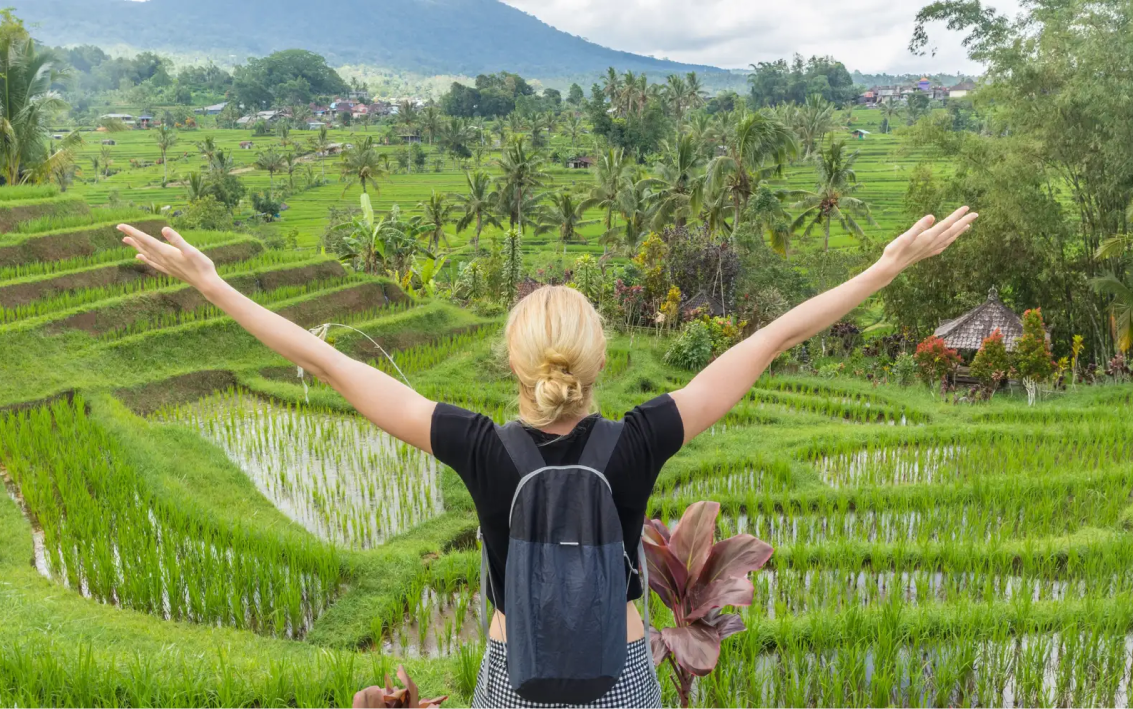
Understanding Sustainable Travel in Bali
1. The Importance of Sustainable Travel:
- Preserving Natural Beauty: Bali is famous for its natural beauty and attractions such as rice fields, beaches, and marine life. Sustainable travel ensures the conservation of such natural wonders from the harmful impacts of tourism activities like pollution and destruction of habitats.
- Supporting Local Communities: Sustainable travel ensures that tourism activities contribute to the betterment of the lives of the locals and not harm them in any way. It encourages fair trade and respects the traditions and lifestyle of the locals and provides them with economic benefits as well.
esidents.
2. Bali’s Environmental and Cultural Challenges:
- Environmental Issues:Bali is challenged by issues such as waste management, water shortage, and destruction of coral reefs. Sustainable travel helps solve these problems and promote conservation of the environment as well.
- Cultural Preservation: Tourism can be a problem because it can hurt the ways of doing things. When we travel in a way that's good, for the earth we help keep the natural ways and things that the local people do. This kind of travel also teaches us to respect the people and what they do. Sustainable travel is important because it helps the local people keep their traditions and it makes us think about how we treat them. The local people have their way of life and we should respect that when we visit their place. Sustainable travel is the way to do that.

Eco-Friendly Tips for Your Bali Trip
1. Reduce Plastic Waste:
- Bring Reusable Items: You should bring your own water bottle, shopping bag, and straws that can be reused. Many cafes and restaurants in Bali are eco-friendly and allow people to reuse their products.
- Avoid Single-Use Plastics: Avoid using single-use plastics such as cutlery and bags. You should only choose products that are made from sustainable resources.
2. Support Eco-Friendly Accommodations:
- Choose Green Hotels:You should look for hotels that are environmentally friendly and have implemented measures for water conservation and reducing waste.
- Stay in Local Guesthouses: When you are traveling it is an idea to stay in local guesthouses. This is because local guesthouses will use the money you pay them to help people. Local guesthouses are a way to make sure your money is spent on the local economy. By staying in guesthouses you are helping the local economy and that is a good thing, for local people. Local guesthouses are the way to go if you want to support the economy.
3. Conserve Water and Energy:
- Be Mindful of Water Use: Bali is a tropical island and has a problem with water scarcity. Therefore, it is essential for visitors to be mindful of their use of water.
- Save Energy: When staying in Bali, make sure to switch off lights, air conditioners, and other appliances when not in use. Many green hotels and accommodations are designed for sustainability.
4. Respect Wildlife and Natural Habitats:
- Avoid Touching or Feeding Wildlife: When on a trip to Bali, visitors should be careful not to touch or feed wildlife. Instead, enjoy viewing them.
- Participate in Conservation Efforts: You can help with conservation by joining in on things like cleaning up the beach or going on tours that are about taking care of wildlife and conservation. This is a way to participate in conservation and really make a difference, with conservation efforts.

Supporting and Contributing to Local Communities
1. Shop and Eat Locally:
- Support Local Businesses: It is best to shop at local markets, eat at local restaurants, and shop at local stores to help the local community. It is best to eat local Balinese food and buy souvenirs from local artisans.
- Participate in Community-Based Tourism: The best way to learn about the people of Bali is to go on tours and do things that help the community. This kind of tourism is great because it gives you a lot of information about the community and what they are like. You get to see Bali and learn about the Balinese community when you do community-based tourism.
2. Engage in Cultural Respect:
- Respect Local Customs: It is best to know the customs and traditions of the Balinese community and to observe these customs during the visit.
- Avoid Disruptive Behavior: We should not do things that bother the community and the way they live. The community has their way of life and we should not disrupt it. Disruptive Behavior can cause a lot of problems, for the community. So it is best to avoid Behavior.
3. Volunteer and Give Back:
- Support Local Charities: You could also think of donating to local charities or environmental groups that are working towards conserving Bali’s rich cultural and environmental assets.
- Volunteer Opportunities:If you have enough time, you could also look for volunteer opportunities that are available in Bali.
Conclusion
Sustainable travel is important for the preservation of Bali’s natural beauty as well as its rich cultural assets, while at the same time ensuring that tourism in Bali has a positive impact on the local community. By using environmentally friendly practices, you can contribute towards making Bali a better place, thus enhancing your travel experience.
Follow these sustainable travel tips and make a difference in Bali, thus ensuring that the island’s enchanting beauty is maintained for travelers in the years to come.
Categories: Plan Your Trip, Before Traveling To Bali

Emily Suryadi
Hello! I'm Emily, born and raised here in Bali. I'm all about exploring the hidden charms around the island I call home. From trendy spots, hidden corners, to a stretch of idyllic sand where sunsets seem to stretch on forever. Trust me, there's no shortage of eye-opening destinations once you touchdown in Bali.