
Semarajaya Museum: A Journey Into Bali’s Royal Heart
Published on , last updated on
Written by Emily Suryadi
Klungkung remains the cultural anchor of East Bali even if most travelers pass it by. In the heart of this district, history is more than just a list of dates.
The Semarajaya Museum stands within the Taman Gili royal grounds as a witness to a lost era. It offers a raw look at the peak of Balinese royalty and the eventual struggle against Dutch colonial forces. This is where you go to see the soul of the island away from the modern tourist crowds.
An Introduction to Semarajaya Museum
Located in the heart of Klungkung (East Bali), Semarajaya Museum is more than just a collection of artifacts. It is part of the former Klungkung Kingdom’s royal grounds.
This museum does more than just display old objects. It protects the memory of the Klungkung royals and the highly detailed world of Kamasan-style painting. You will find a collection of artifacts here that tell the specific story of how this region fought back against colonial rule.
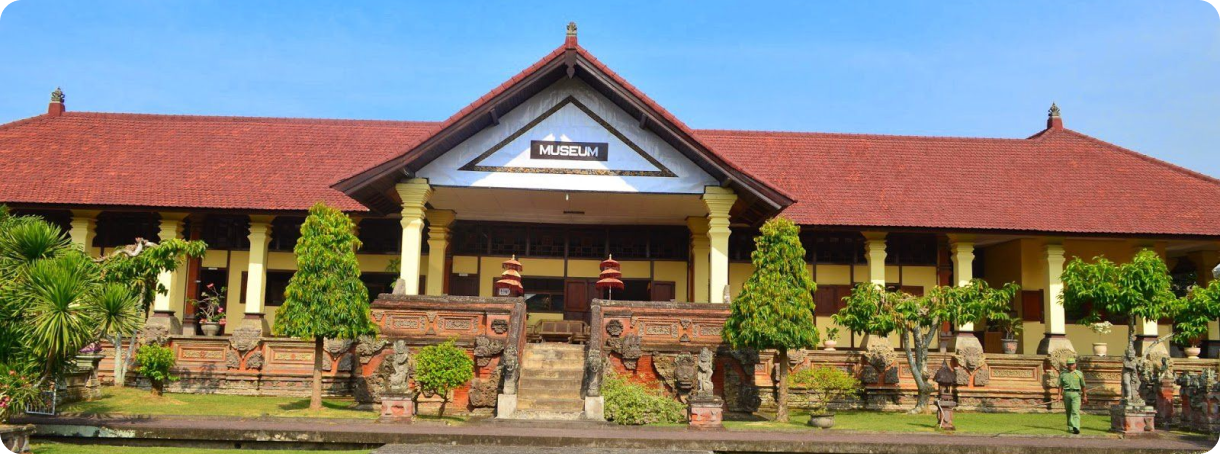
The History of Semarajaya Museum
The museum is housed in a building that was once a Dutch colonial school, built after the fall of the Klungkung Kingdom. This site is deeply connected to the Puputan Klungkung, the heroic "battle to the death" against Dutch forces in 1908. When you visit the museum, you get a clear look at how Balinese people protected their culture during the difficult years of the early 20th century.
Inside the Semarajaya Museum
The displays are set up to show how the Klungkung area has changed over time. Here are the main things to look for:
- Royal Objects: These include the old thrones and ceremonial umbrellas that the royal family used back in the day.
- Kamasan Paintings: Exquisite examples of Wayang style art, which uses natural pigments to depict mythological epics.
- Traditional Weaponry: There is a collection of Balinese daggers, known as Keris, along with other tools that were used during royal events.
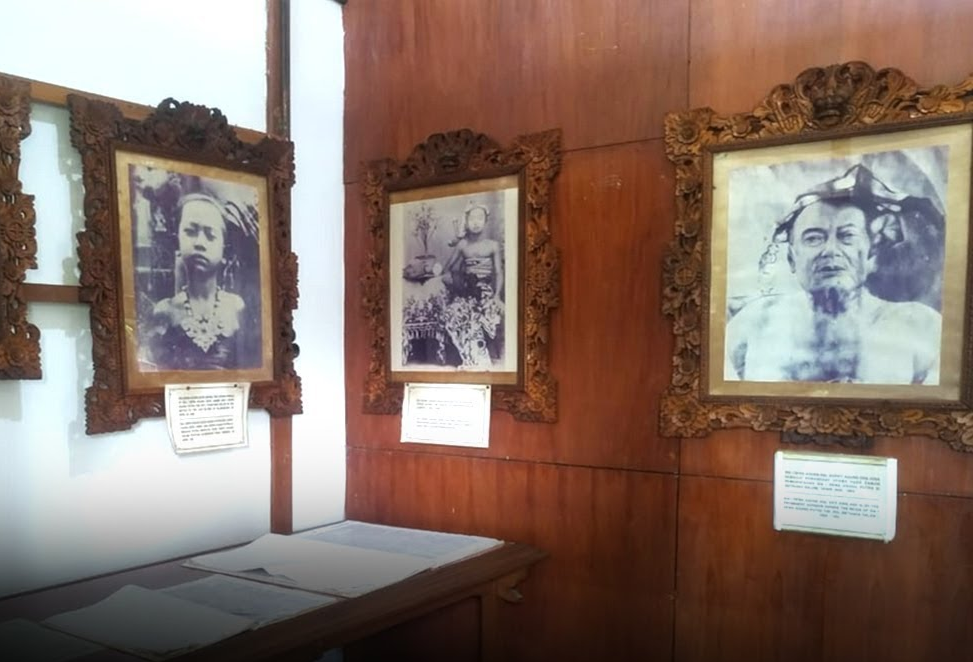
- Historic Photography: Rare images of Bali from the late 1800s and early 1900s, providing a window into a vanished era.
- Colonial Artifacts: Documents and items from the Dutch East Indies administration.
Museum Highlights
Architecture & Gardens: The blend of Dutch colonial structures and traditional Balinese stone carvings makes for a peaceful setting, ideal for reflection and photography.
Bale Kambang (Floating Pavilion): Part of the surrounding Taman Gili complex, this stunning pavilion sits in the middle of a lotus pond.
Ceiling Murals: Look up to see the ceilings of the nearby pavilions, covered in ancient paintings illustrating tales of karma and the afterlife.
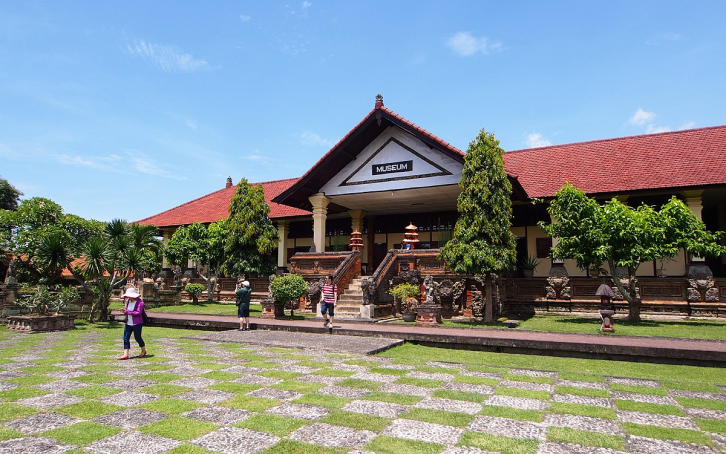
Essential Details for a Seamless Visit
Visitor Information
- Location: You will find the museum in the center of Klungkung, right next to the Puputan Monument.
- Opening Hours: The site is open from 8:00 AM to 4:00 PM, Monday through Saturday.
- Admission: Entry costs about 25,000 IDR per person.
- Best Time: Arriving in the morning or early afternoon is best to avoid the midday heat.
Check the location of Semarajaya Museum on Google Maps.
Getting to Semarajaya Museum
You can reach the museum quite easily if you are staying in the southern or central parts of Bali.
- From Ubud: It typically takes around an hour to get there by car.
- From Denpasar or Sanur: Expect the trip to take around 90 minutes.
- Travel Tip: Hiring a private car for the day is often the best choice since public buses do not run frequently to this area.
Other Sites Near the Museum
Since the museum is in a central historic complex, you can easily visit these other landmarks on the same day:
- Kertha Gosa: The old royal court of justice, which is located just a few steps away.
- Puputan Klungkung Monument: A large memorial across the street that honors the local resistance in 1908.
- Goa Lawah Temple: Often referred to as the "Bat Cave," this is one of Bali's most important directional temples.
Practical Advice for a Culturally Respectful Experience
- What to Wear: Visitors are encouraged to wear modest clothing that covers the shoulders and knees to show respect for the local culture.
- Hiring a Guide: Local guides can usually be found near the entrance to provide more depth to the history of the collection with the fee between 50,000 and 100,000 IDR for the services.
- Bring Cash: The entrance and the small shops nearby often do not take credit cards. Bring smaller bills for easier transactions
- Explore the Market: The Klungkung traditional market is nearby. It’s perfect for finding authentic Balinese textiles like Endek or Songket.
Common Inquiries and Travel Planning
Is Semarajaya Museum wheelchair accessible?
The garden areas and the main pavilion grounds are relatively flat, but some indoor galleries and older structures have steps that may be difficult for wheelchairs.
Are guided tours available?
Official tours are not organized by the museum staff. Instead, you will find local freelance guides waiting near the main gate. They work independently and can be hired on the spot if you need someone to explain the history of the various collections.
How long should I spend at the museum?
A typical visit lasts between 60 and 90 minutes. This should give you enough time to see the museum galleries and walk around the nearby Taman Gili area.
Is photography allowed inside?
Yes, photography is generally allowed, but please be respectful and avoid using flash near delicate ancient paintings.
Final Thoughts for Your Visit
Semarajaya Museum offers a perspective on Bali that most tourists overlook. It is more than just a place for artifacts as it serves as a quiet reminder of Klungkung’s royal strength and colonial history. A short visit here adds a lot of depth to any trip through the eastern part of the island.
Categories: Things to Do, Art & Culture, Klungkung

Emily Suryadi
Hello! I'm Emily, born and raised here in Bali. I'm all about exploring the hidden charms around the island I call home. From trendy spots, hidden corners, to a stretch of idyllic sand where sunsets seem to stretch on forever. Trust me, there's no shortage of eye-opening destinations once you touchdown in Bali.