
The Penglipuran Village: Unveiling the Charm of Penglipuran Village
Published on , last updated on
Written by Emily Suryadi
Explore Penglipuran Village, one of the best-preserved artistic villages in Bali. Made famous by its road lined with bamboo, traditional architecture, and cultural involvement, the Penglipuran Village gives an insight into the life of the Balinese. Experience the culture and learn about the traditions and ways of sustainable living in this beautiful upland village.
This guide holds all the secrets.
Why Visit Penglipuran Village? A Step Back in Time
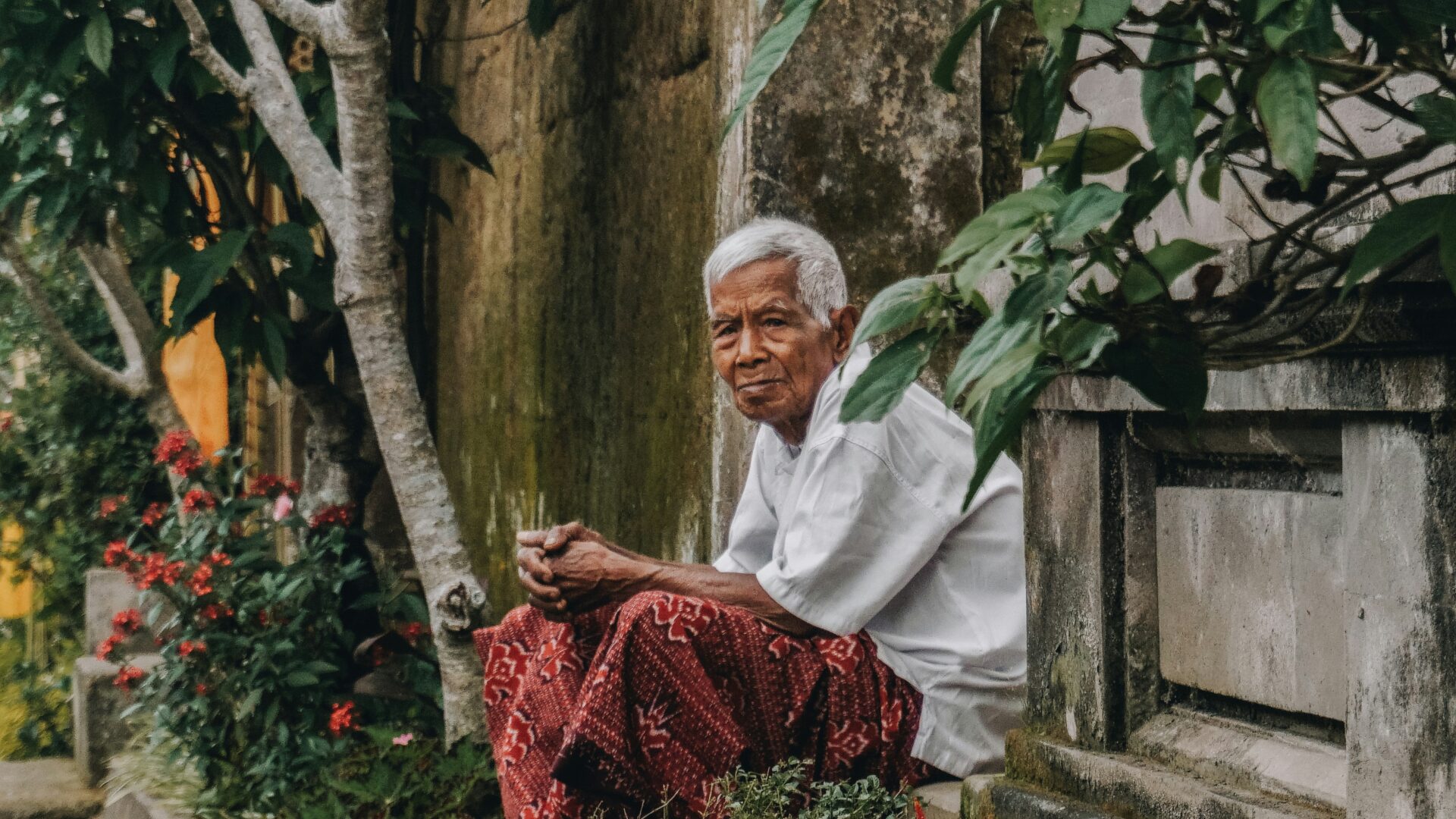
Even before Bali was a renowned global cultural destination, a hidden gem called Penglipuran Village was an oasis of its rich historical heritage, where its royalty and traditions ran deep in the Bangli highlands. It feels as if you’re stepping back in time from smoothie bowls, sunset bars, and all things modern Bali; a time when Bali was still about society, religion, and nature.
Even until now, Penglipuran Village remains motor vehicle and disruptive technology-free. Despite the modernization of their dwellings and the opening of their doors wide for tourists who want to see them, the sanctity of this small community is still preserved.
History & Cultural Significance
Located in the highlands of Bangli Regency, this traditional Bali village is renowned for its immaculate roads, bamboo-lined trails, and authentic buildings that have been an expression of the long-standing Bali culture, which has been in harmony for more than 700 years.
This village was originally formed as a rest spot for the people of Bayung Gede, which is another large village in the Bangli region. Penglipuran Village is also thought to have another name, which is ‘kubu bayung’ or ‘camp of the Bayung people.’ This would mean the similarities in the structures as well as practices of the neighboring village. The meaning of Penglipuran is thought to be interpreted as ‘a spot for consolation,’ as the king of Bangli used to come here to meditate.
While taking a walk through the village, it is possible to notice locals practicing their arts and ceremonies, giving an insight into Balinese daily life.
The Cultural Significance of Penglipuran Village
Today, Penglipuran Village has significant cultural value to the Balinese. This is a site where traditions and ceremonies of the ancestors are maintained with reverence. Additionally, it has been acknowledged for its concern with environmental preservation with a focus on sustainable living. All this has ensured that Penglipuran Village serves as a model of eco-tourism in Bali
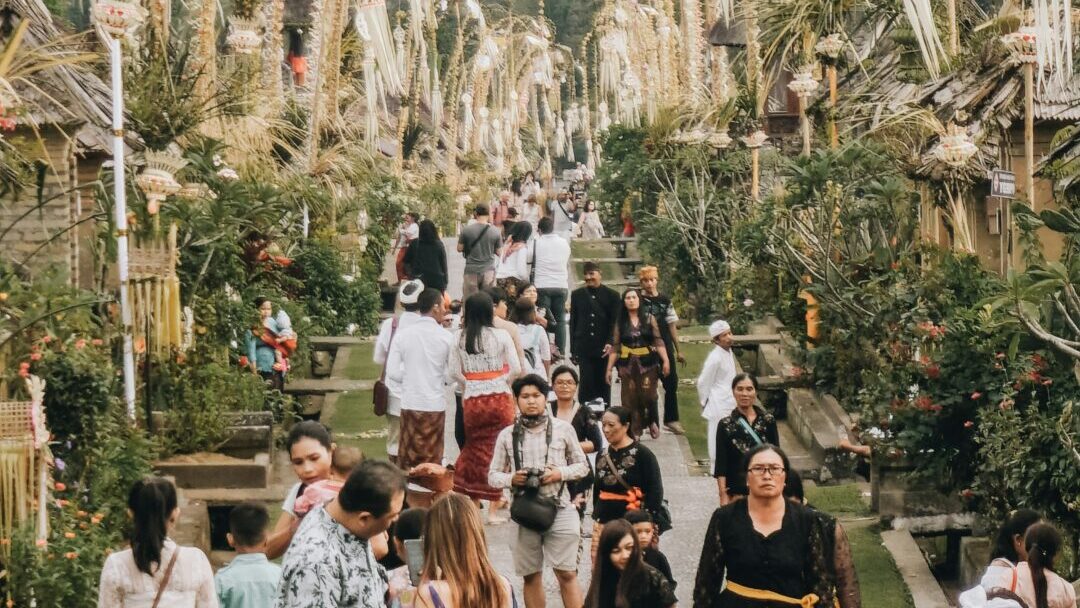
Things to See & Do in Penglipuran Village
Traditional Architecture
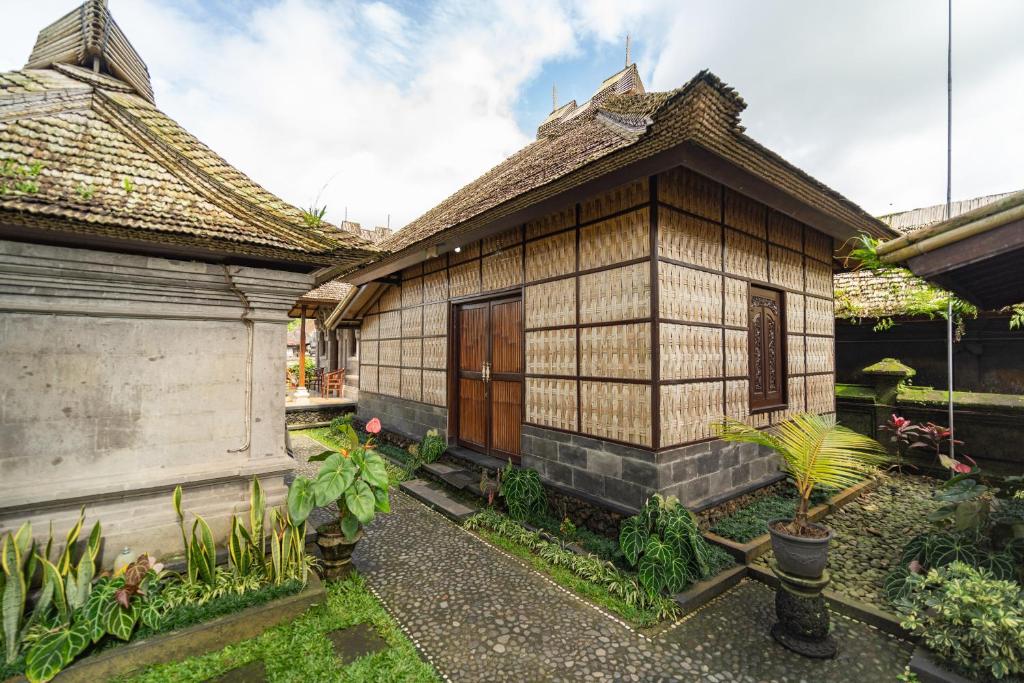
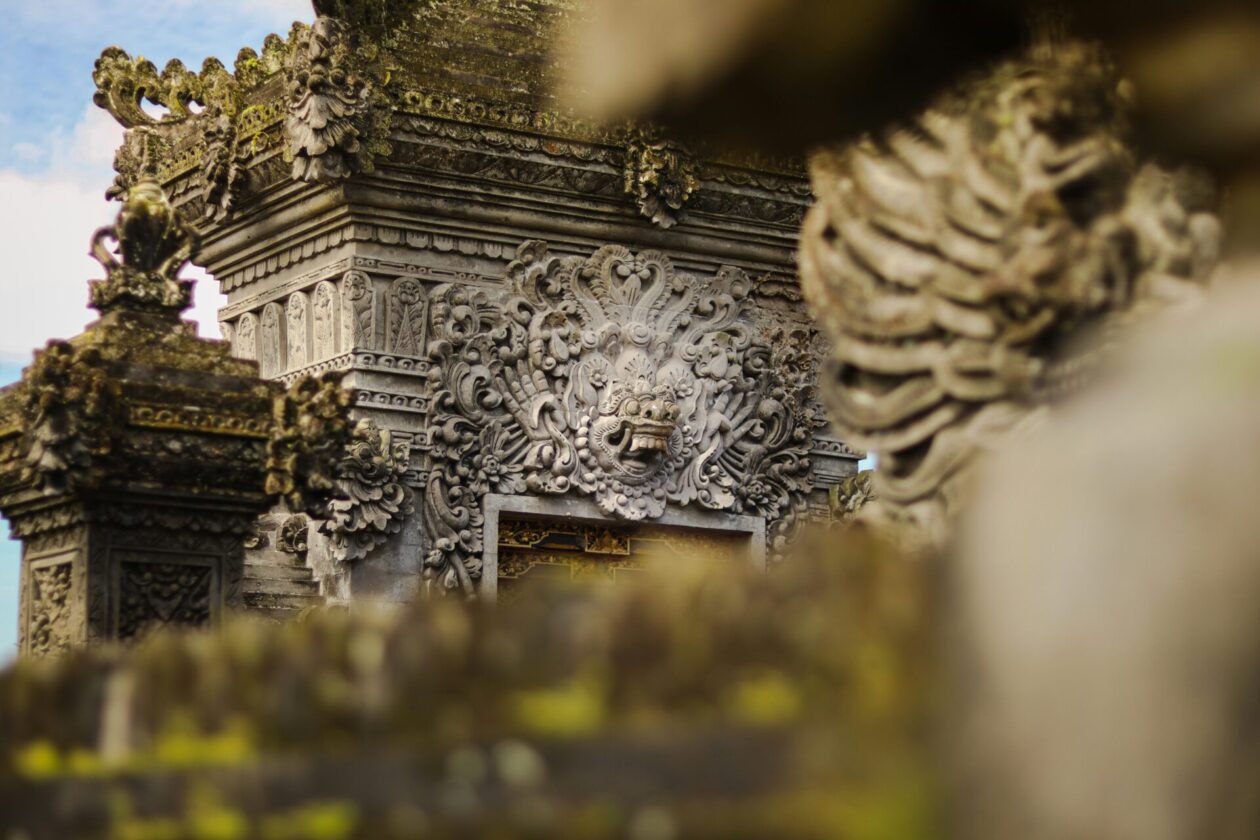
Enter a living museum of Balinese traditions. The characteristic of this village, with bamboo frameworks and roofs thatched with alang-alang, express design traditions going back through the ages that celebrate balance and simplicity. The compounds with open yards, temples, and courtyards evoke a sense of profound meaning.
Village Streets & Bamboo Pathways
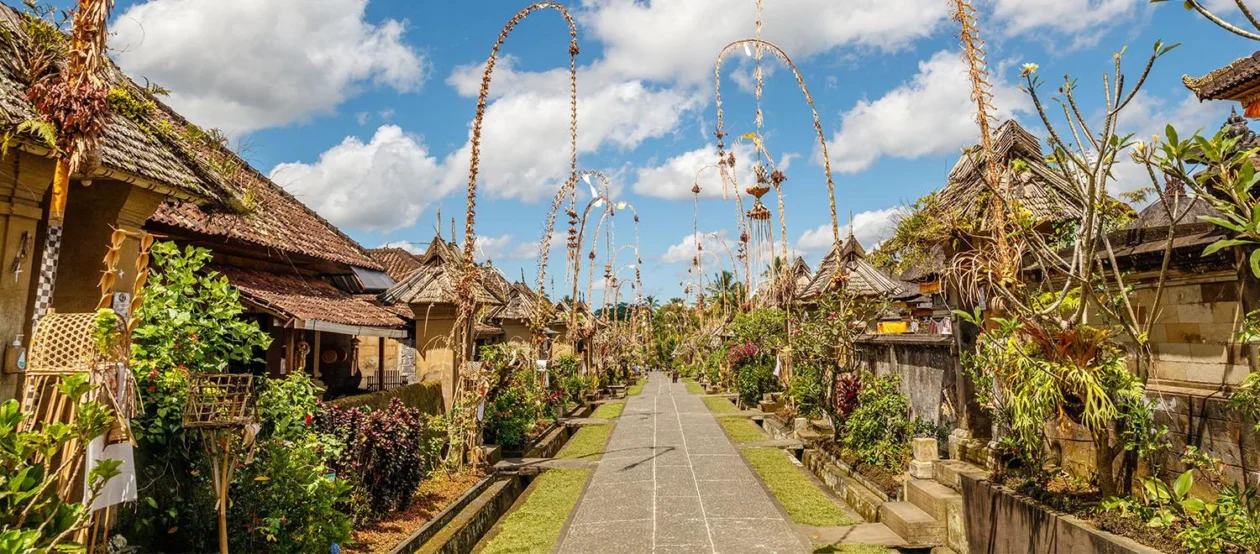
Take a walk through Penglipuran's well-kept stone paths, lined with bamboo trees. Today, its symmetry and cleanliness have put Penglipuran on the world map as one of the cleanest villages in the world, together with Giethoorn in the Netherlands and Mawlynnong in India.
Each corner presents an ideal spot for picture taking or strolling.
Cultural Activities
If you are curious about what there is to do in Penglipuran Village, yes, there is plenty of it
Visitors can also gain information on the principles of living sustainably that the village upholds. There could be cultural performances from time to time; hence, the latest information can be obtained from the cultural Instagram account.
What To Do in Penglipuran Village
- Participate in activities such as the Canang Sari offering ritual, bamboo weaving, or the preparation of Klepon, all of which can be done under the
- Witness or take part in cultural performances, including Barong Macan dance performances, within the bamboo forest surroundings.
- Spend the night at a traditional village homestay, and dine on an Indonesian dinner at an open-air setting, surrounded by the tranquil village ambiance.
- For craft enthusiasts: learning how to create decorative items like gebogan (fruit towers used during ceremonies) and art classes like bamboo art.
- Take a hike through the adjacent bamboo forest and learn about their approach to sustainable living. It’s part nature walk, part culture trip.
- Plan your trip during cultural events such as the Penglipuran village festival that takes place in early July, featuring parades, music, and traditional contest activities.
- Visit their sustainable markets to take home some Bali in your life.
How to Get to Penglipuran Village

Penglipuran Village is in the Bangli Regency of Bali Province, about 45 kilometers from Denpasar, the capital of Bali. It can be easily reached by car or motorbike. Since it is in a higher region, the climate here remains a little cooler and less humid compared to the coastal regions of Bali.
The road to Penglipuran village winds through very beautiful surroundings, such as ricefields and forests, so it is a very picturesque destination.
Address
Location: Jalan Jl. Penglipuran, Kubu Kec. Bangli, Kabupaten Bangli, Bali 80611, Indonesia
Opening Hours: 08:00 - 18:30 WITA
Here's a list of distances depending on the country of departure:
- From Ubud: 1 hr
- From Sanur: 1 hr 15 mins
- From Kuta / Legian: 1 hr 45 mins
- From Nusa Dua: 1 hr 45 mins
- From Seminyak: 2 hrs
- From Canggu: 2 hrs
- From Uluwatu: 2.5–3 hrs
Tips for Visiting Penglipuran Village
Best Time to Visit
Early morning is the best time to come and feel the serene atmosphere of Penglipuran before many visitors come. The soft lights add to the attractiveness of this bamboo-lined road in this quiet village. However, around closing time (5-6 PM), the best sunsets can be viewed.
Perhaps avoid lunch time or late in the afternoon because that will likely be when the throngs of tourists from the buses arrive.
It would be best to visit this place during the dry season, from April to October, as it would be sunny enough to allow you to roam around comfortably.
Hire Local Guide
For a deeper understanding of the traditions and habits of the village itself, it would be advisable to engage the services of a local guide. They would know the stories of the community dynamics, the structures of the community, and the habits that ensure that the area of Penglipuran remains one of the best preserved cultural sites in Bali
Dress Code
One is asked to dress modestly when visiting the temple or ritual areas. Materials like cotton, which is breathable, and other light materials will work well in the climate.
Entrance Fee
Entrance fee is needed in order to visit Penglipuran Village. Nevertheless, this entrance fee also enables visitors to stay the whole day should they wish to. Penglipuran Village entrance tickets can be purchased in cash or by credit.
Foreign Adults: IDR 50,000
Foreign Children: IDR 30,000
If you plan to bring your own cars, there might be some charges for parking, as indicated below.
Cars: IDR 5,000
Scooters: IDR 2,000
Accessibility
Foot travel is the best way to explore Penglipuran. Though Penglipuran is not so big in terms of area, its sloping roads made of cobblestones will not be so wheelchair-friendly.
Visitor Etiquette
Remember, of course, Penglipuran is not a museum, but a living village. It is crucial to be respectful, as the locals live their ordinary lives in the midst of visitors. Do not trash the place, listen carefully when touring, and refrain from making noise to respect the quiet pace of everyday village life.
Nearby Attractions
Extend your trip to other wonders nearby like Mount Batur and Lake Batur, which is perfect for a sunrise hike. The closeness of the bamboo forests, coffee plantations, and markets of Bali’s traditional handicrafts provides an ideal extension of the natural and cultural wonders of Penglipuran.
FAQs
How far is Penglipuran Village from Ubud or Kuta?
Penglipuran is approximately 45 minutes from Ubud and 2 hours from Kuta. It’s easy driving through the countryside and rice fields. Perfect for a half-day trip.
Are visitors allowed to join local ceremonies?
Yes, it would not be unusual for tourists to be allowed to take part in some of the traditional rituals - especially the cultural shows. Just remember to dress appropriately and follow the crowd.
Is Penglipuran Village child-friendly?
Yes, local guides are available on site, and you can hire one at the entrance or through the official website of the village itself. They will make you understand the significance of the architecture, customs, and daily routines of the people.
Are there guides that can take us through some cultural tours?
Yes, local guides are available on-site and can be hired at the entrance or through the village’s official website. They’ll help you understand the meaning behind the architecture, customs, and daily rituals.
Conclusion
Penglipuran Village is a hidden gem of Bali, showcasing a harmonious blend of cultural richness, natural scenery, and architecture. It does not matter if you are a person obsessed with historical charms, cultural experiences, or in need of a tranquil hideout. This village has everything to share. The determination of this village to maintain Balinese traditions and harmony with nature truly makes it a breathtaking destination to visit and miss. Visit Penglipuran village to feel the charm and serenity of one of the most beautiful villages in Bali that is rich in culture.
Categories: Destination, Art & Culture, Bangli, Things to Do

Emily Suryadi
Hello! I'm Emily, born and raised here in Bali. I'm all about exploring the hidden charms around the island I call home. From trendy spots, hidden corners, to a stretch of idyllic sand where sunsets seem to stretch on forever. Trust me, there's no shortage of eye-opening destinations once you touchdown in Bali.