
The Jatiluwih Rice Terrace in the Tabanan Regency, Central Bali still holds up as one of the most popular destinations in Bali in 2026, and for a good reason.
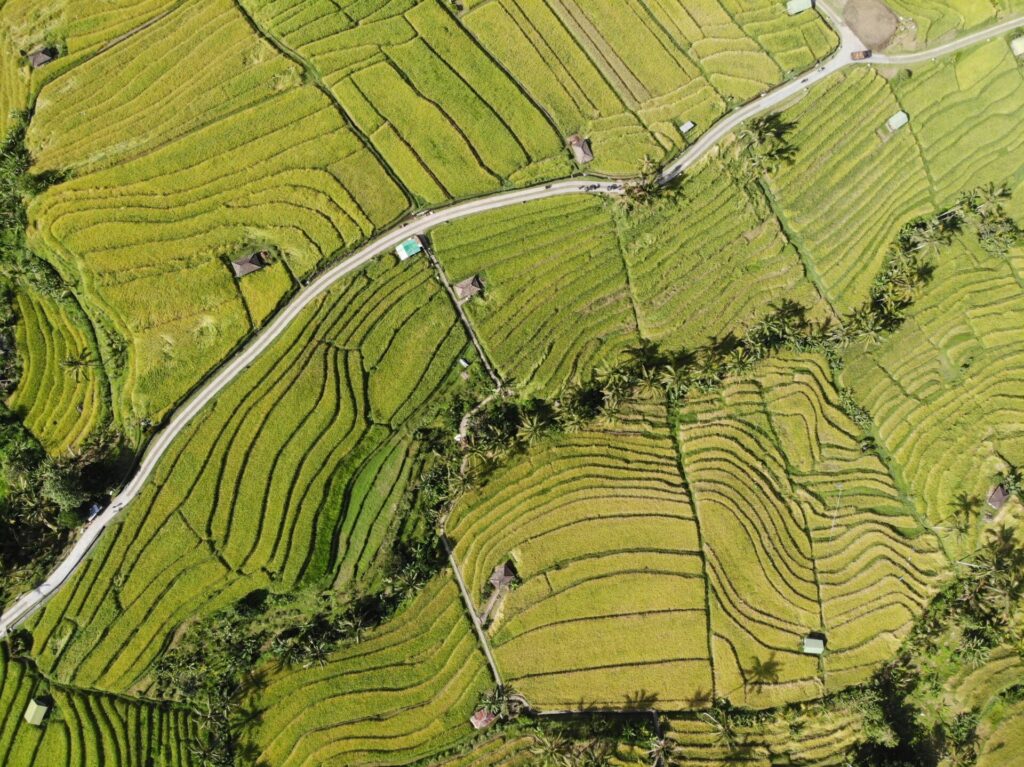
They cover more than 600 hectares of green land with rice paddies as far as the eye can see. What makes Jatiluwih Rice Terraces special is not just how big they are, but the Subak irrigation system that keeps them going. This system is a way of managing water that comes from the community and spiritual philosophy of the Balinese people, which is why Jatiluwih Rice Terraces are a UNESCO World Heritage site.
In 2012 Jatiluwih Rice Terrace was given the honor of being part of the “Cultural Landscape of Bali Province: the Subak System as a Manifestation of the Tri Hita Karana Philosophy.” This is not about how beautiful the place is, but also about how the Balinese people have taken care of the land and water for centuries. They have done this by combining farming, faith and social life into one culture.
Walking through Jatiluwih Rice Terraces feels like walking into a living painting. Every curve of the terraces tells a story about how people, nature and the divine are in balance. Farmers still take care of the fields the way their ancestors did guided by rituals at water temples and the shared wisdom of the Subak community.
This guide will tell you everything you need to know about Jatiluwih Rice Terraces.
Why Is Jatiluwih a UNESCO World Heritage Site?
In 2012, Jatiluwih Rice Terraces were inscribed as a UNESCO World Heritage Site under the "Cultural Landscape of Bali Province" designation. This recognition highlights three critical aspects that make these terraces globally significant:
1. The Subak Water Management System
The Subak system is a way of sharing water that's fair and good for the environment. It has been working well for over a thousand years. Local farmers manage the water that comes from mountain springs through a network of canals making sure everyone gets a share and that crops grow well.
2. Integration of Agriculture, Religion, and Community
Jatiluwih Rice Terraces are not about farming they also show how deeply connected farming is to Balinese Hinduism. There are water temples over the terraces where farmers do ceremonies to make sure they have good harvests and are in harmony with nature.
3. Environmental Sustainability
The traditional way of farming at Jatiluwih Rice Terraces has kept the land and soil healthy for centuries without using chemicals. This is an example for modern farming all over the world.
Key information about Jatiluwih Rice Terraces:
Size: Over 600 hectares of rice fields
Age: 500 years old
Location: Penebel District, Tabanan Regency
Elevation: 700 meters above sea level
Weather: Mountain cool temperature all year round
How to visit Jatiluwih Rice Terraces in 2026
To plan yoTo plan your visit to Jatiluwih Rice Terrace, here is some practical information to help guide your next trip.ur visit to Jatiluwih Rice Terrace, here is some practical information to help guide your next trip.
Entrance Fees and Opening Hours
- Entrance Fee: IDR 40,000 for adults IDR 30,000 for kids
- Operation Hours: 8:00 AM to 6:00 PM every day
- Parking: IDR 5,000 for motorcycles IDR 10,000 for cars.
Best Time to Visit
Weather: The dry season, from April to October is the best time to see everything clearly and walk comfortably. But, each season has its own special thing to see, like the light showers that enhance the verdant landscape.
Rice Growth Cycle:
March to May: The young rice plants are green
June to August: The rice is golden and ready to be picked
September to November: The fields are reflecting the sky
December to February: Planting season with terraced water mirrors
Optimal Time to Visit:
- Early in the morning from 7:00 to 9:00 AM is the time to take pictures as there are not many visitors yet.
- Late in the afternoon from 4:00 to 6:00 PM is the sweet spot for sunsets over rice fields.
How to get to Jatiluwih Rice Terraces
From Ubud it takes 1.5 hours to drive through the mountains. From Canggu or Seminyak it takes 1 to 2 hours depending on traffic. From Sanur or Denpasar it takes 1.5 to 2 hours.
Guided Tours vs Going on Your Own:
- Guided Tours: include transportation, information from people and often other places to visit around Jatiluwih.
- Going on Your Own: gives you freedom to explore but you will have to rely on Google and Google Maps. It helps to know some basic Indonesian so you can interact warmly with locals
Things to do at Jatiluwih Rice Terraces
There are plenty of things to do at Jatiluwih Rice Terraces so you can spend a whole day there and learn about Balinese rural culture.
1. Walking and hiking
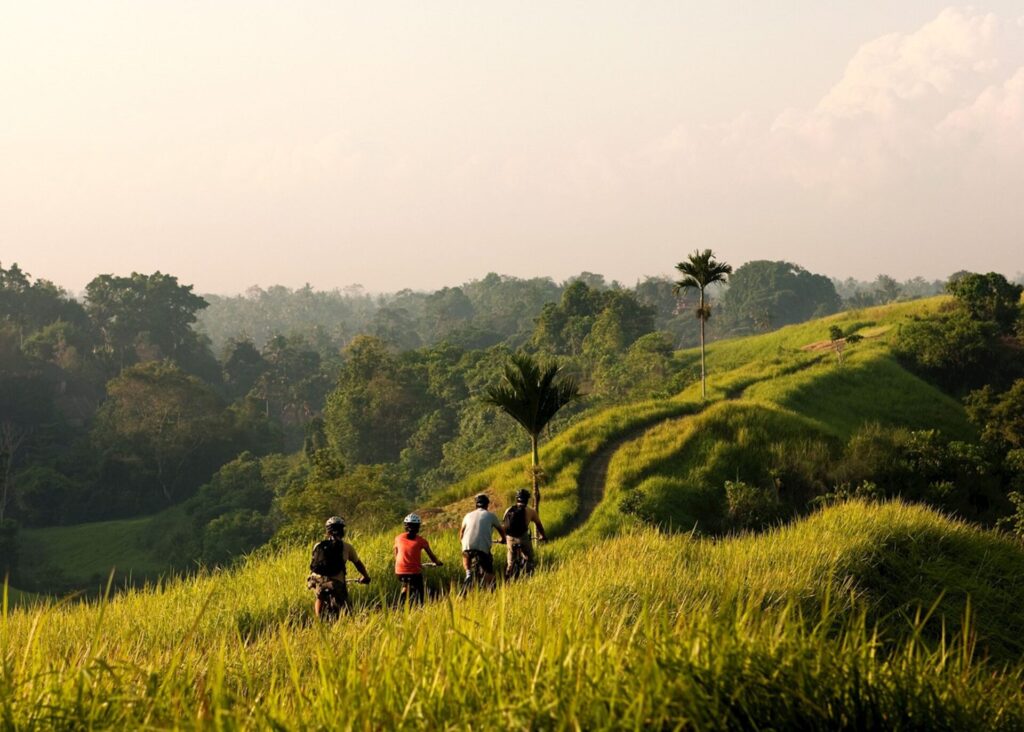
There are paths to walk on from easy 30-minute walks to harder 3-hour hikes. The main path follows the irrigation channels. Gives you a good view of the valley.
Popular paths:
- Heritage Path: A 2km walk along the main terraces that takes 45 minutes
- Valley Circuit: A 4km moderate hike that takes 2 hours
- Mountain Ridge Path: A 6km hard hike that takes 3 to 4 hours
2. Visiting water temples
There are sacred water temples in the terraces that are important for farming ceremonies:
- Pura Luhur Petali: The main temple that oversees the water
- Pura Masceti: A temple for purification ceremonies
Small shrine temples: All over the terraces for daily offerings
3. Eating Balinese food
Walking through the rice terraces can be tiring, so stopping at a warung to rest is a great idea. Many restaurants in Jatiluwih serve Balinese food with outdoor seating, where you can enjoy traditional tastes while looking at the calm green landscape. Here are some Balinese food you can try when visiting Jatiluwih Rice Terraces:
- Nasi Campur – A platter of assorted food items such as meats, veggies, and sambal served over a plate of rice.
- Gado-Gado – A lighter meal choice with veggies and creamy peanut sauce.
- Lawar – A Balinese side dish with coconut, herbs and strong local spices.
- Babi Guling – One of the most popular dishes of Bali, this dish is known for its crispy exterior and well-seasoned meat.
- Ayam Betutu – Slow-cooked chicken with Balinese spices.
- Balinese coffee – Coffee grown locally, perfect for a calm break with views of the terraces.
Simple food, fresh air and wide rice terrace views make eating in Jatiluwih feel calm, local and special.
Jatiluwih vs Tegallalang: Which Is Better?
| Feature | Jatiluwih | Tegallalang |
| Crowd Level | Low to moderate | High |
| Size | Very expansive landscapes | Smaller terraces |
| UNESCO Status | Yes | No |
| Best For | Nature lovers, trekking, peaceful views | Quick photos and short visits |
Jatiluwih Rice Terraces and Tegallalang Rice Terraces are both famous in Bali. They offer experiences. If you are choosing which one to visit here is a comparison.
If you want to see landscapes and have a peaceful time Jatiluwih Rice Terraces are usually better. The Jatiluwih terraces stretch across an area. This makes them good for walking and seeing Bali’s farming scenery. You can enjoy the Jatiluwih Rice Terraces.
Meanwhile Tegallalang Rice Terraces are closer to Ubud. They are easy to get to. People like to visit Tegallalang for trips, taking photos and the famous jungle swings.
FAQ
Why is Jatiluwih a UNESCO site?
Jatiluwih Rice Terraces are part of the UNESCO World Heritage Cultural Landscape of Bali Province. They show the Subak irrigation system. This is a community-based water management system that Balinese farmers have used for centuries.
How long should I spend at Jatiluwih Rice Terraces?
Most people spend 1.5 to 3 hours at Jatiluwih Rice Terraces. This gives time to walk along the paths, see the scenery and stop at local cafes.
Is Jatiluwih better than Tegallalang?
It depends on what you want. Jatiluwih Rice Terraces are larger and quieter. They are good for walking in nature. Tegallalang Rice Terraces are smaller but closer to Ubud. People like Tegallalang for photos.
Can I hike through the Jatiluwih Rice Terraces?
Yes. Jatiluwih Rice Terraces have routes that let you walk through the rice fields. The paths range from walks to longer routes that can take a few hours.
What is the entrance fee, in 2026?
As of 2026 you need to pay around IDR 50,000 to visit Jatiluwih Rice Terraces if you're an international visitor. Prices may change a little depending on the rules.
What is the entrance fee, in 2026?
As of 2026 you need to pay around IDR 50,000 to visit Jatiluwih Rice Terraces if you're an international visitor. Prices may change a little depending on the rules.
Final thoughts
If you are planning a trip to Bali, Jatiluwih Rice Terraces are a must see. They show you the ancient farming culture of Bali and have some of the most beautiful landscapes on the island. Whether you like taking pictures learning about culture or love nature, Jatiluwih Rice Terraces will give you an experience you will never forget.
Categories: Plan Your Trip, About Bali

Emily Suryadi
Hello! I'm Emily, born and raised here in Bali. I'm all about exploring the hidden charms around the island I call home. From trendy spots, hidden corners, to a stretch of idyllic sand where sunsets seem to stretch on forever. Trust me, there's no shortage of eye-opening destinations once you touchdown in Bali.