
Embracing the Tropics: A Guide to Bali’s Rainy Season
Published on , last updated on
Written by Emily Suryadi
Most people head to Bali for that nonstop summer vibe, but there is something special about the island when the clouds finally roll in. Even though a lot of travelers try to avoid the rainy season, coming here during this time gives you a look at the island that most people never get to see.
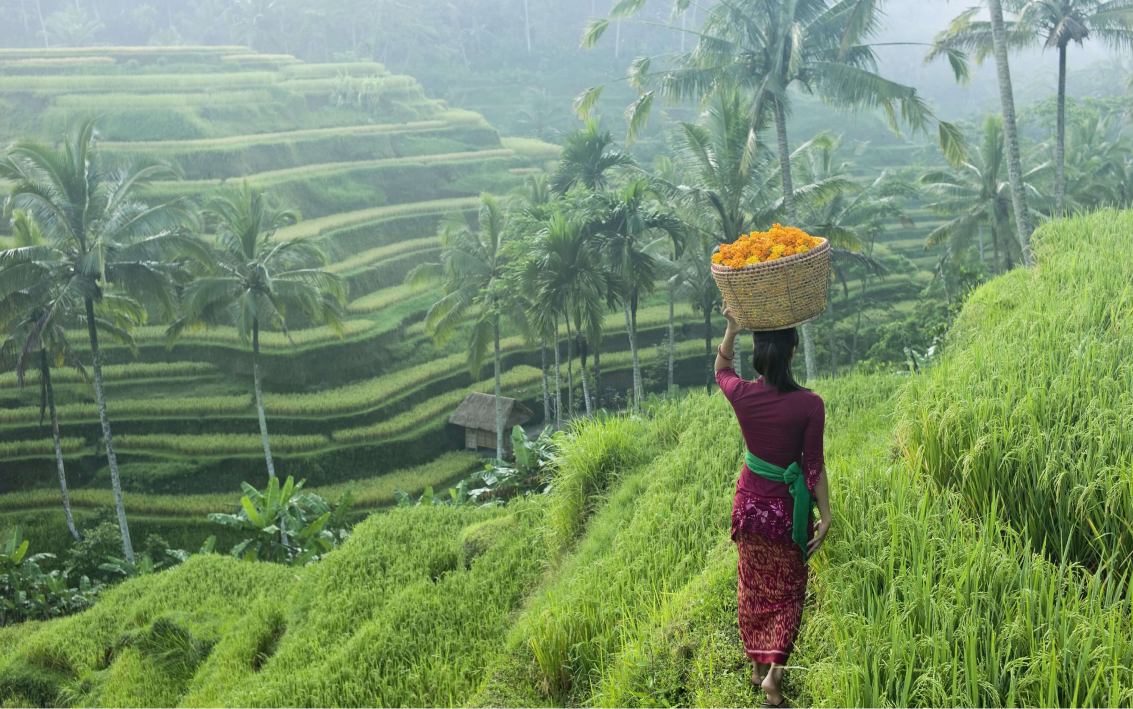
The landscapes turn an impossibly deep green, the air feels fresh, and the usual crowds seem to vanish, leaving you with a more intimate experience of the Island of the Gods.
When Is Bali's Rainy Season?
The rainy season typically runs from October to April, heavily influenced by the west monsoon. You can expect the peak of the rainfall between December and February, when the downpours are at their most frequent. However, it rarely rains all day; usually, you will see bright, humid mornings followed by a dramatic afternoon storm.
If you are still deciding on your travel dates and want to see how this compares to the sunnier months, you might want to read our guide on Bali’s dry season to help you plan the perfect trip.
| Month | Avg Rainfall | Humidity | Temperature | Travel Tip |
| Oct | 90 mm | 75% | 31°C | Great for last-minute deals |
| Nov | 150 mm | 78% | 31°C | Humidity starts to climb |
| Dec | 280 mm | 82% | 30°C | Perfect for spa retreats |
| Jan | 340 mm | 85% | 29°C | Peak rain; lush green views |
| Feb | 290 mm | 83% | 30°C | Quietest time for temples |
| Mar | 210 mm | 80% | 30°C | Great for cultural festivals |
| Apr | 95 mm | 77% | 31°C | Best of both worlds |

The Reality of Traveling in the Rainy Season
Is it worth it? For most people, the answer is a resounding yes, provided you know what to expect. There is a trade-off between the weather and the overall vibe of the island.
| Benefit | Why It Matters |
| Fewer Crowds | You can enjoy popular spots like Tanah Lot without the wall of tourists. |
| Better Prices | High-end villas often drop their rates by 30% to 50%. |
| Lush Scenery | The rice terraces and jungles are at their most vibrant and photogenic. |
| Cultural Depth | You see the island’s daily life continuing at a more relaxed pace. |
On the flip side, you should be ready for high humidity and the occasional flash flood in low-lying areas. It is also worth noting that the sea can get a bit choppy, which might affect your snorkeling or diving plans.
Typical Weather Conditions
Most days follow a predictable pattern. You wake up to a hot, sticky morning that is perfect for a slow breakfast by the pool. By mid-afternoon, the sky darkens and a heavy thunderstorm rolls through. These rain sessions are usually intense but short.
Keep in mind that Bali has its own microclimates. While Ubud might be getting a heavy soaking, coastal areas like Nusa Dua or Bukit Peninsula often stay much drier. To stay ahead of the weather, it is a smart move to use apps like Windy or AccuWeather for hourly updates.
Rainy Season Packing Essentials
Packing for the rain in the tropics is all about staying dry without overheating. You don't need heavy gear; you just need to be smart about your choices.
- Lightweight rain shell: A breathable poncho or thin jacket is much better than a heavy raincoat.
- Waterproof sandals: Leather shoes will get ruined; stick to high-quality rubber sandals or waterproof hiking shoes.
- Dry bags: Essential for keeping your phone, camera, and power banks safe during a sudden downpour.
- Bug spray: More rain means more mosquitoes, so keep a strong repellent handy at all times.
Best Activities Rainy Season
The rain doesn't have to stop your plans. In fact, some things are actually better when it is wet outside.
- Indoor Rituals: This is the best time for a three-hour Balinese spa treatment or a traditional cooking class. Places like the Neka Art Museum in Ubud also offer a great escape from the rain.
- Lush Nature: Waterfalls like Tegenungan Waterfall or Gitgit look incredibly powerful during the wet season. Just be careful with the slippery paths.
- Artisan Shopping: Spend an afternoon at indoor malls like Beachwalk in Kuta or explore the boutique galleries in Seminyak.
Finding Your Ideal Rainy-Day Setting
Choosing the right location can make or break a rainy trip. Ubud is beautiful because of the mist and greenery, but it does get more rain than the coast. If you want a bit more sun, Sanur is a quiet, accessible choice with plenty of great indoor cafes.
When booking, look for resorts with "all-weather" amenities. High-end spots like The St. Regis or Four Seasons have fantastic indoor dining and wellness centers that make staying inside feel like a treat rather than a chore. It is also wise to check travel forums to make sure your chosen villa isn't in a spot prone to flooding.
Health and Safety Tips
Your safety should always come first, especially when the roads are slick.
- Slippery Roads: If you are on a scooter, be extra careful. The first few minutes of rain make the roads very oily and dangerous.
- Water Safety: Avoid swimming in rivers during heavy rain, as currents can change instantly. The ocean can also wash up more debris on the beaches during this time.
- Dengue Awareness: High rainfall increases the risk of dengue. Use repellent and wear long sleeves during dawn and dusk.
- Hydration: Even if it’s raining, the humidity is high. Stick to filtered or bottled water to keep your energy up.
People Also Ask
Is it worth visiting Bali during the rainy season?
Absolutely. If you enjoy luxury for less and don't mind a bit of rain, it is the best time to see the island’s natural beauty without the crowds.
Does it rain all day?
Usually, no. It is mostly short, heavy bursts in the afternoon or at night. Total "washout" days are rare.
Does Bali get flooded during the rainy season?
In some areas, yes. Heavy downpours can cause temporary flash floods in spots like Seminyak or Canggu. Usually, the water clears up quickly once the rain stops, but it can definitely mess up the traffic for a while.
Are beaches still open?
Yes, but they might not look like postcards. Winds can bring more trash to the shore in areas like Kuta and Seminyak during this time.
Is dengue fever a real risk?
There is a slight increase in cases during the wet season. Using repellent and staying in well-maintained resorts significantly lowers your risk.
Final Thoughts on Bali's Rainy Season
Bali in the rain is for the traveler who isn't afraid to be a little flexible. By booking last-minute through apps like Traveloka or Booking.com, you can snag incredible deals on villas that would usually be out of reach.
Categories: Plan Your Trip, About Bali

Emily Suryadi
Hello! I'm Emily, born and raised here in Bali. I'm all about exploring the hidden charms around the island I call home. From trendy spots, hidden corners, to a stretch of idyllic sand where sunsets seem to stretch on forever. Trust me, there's no shortage of eye-opening destinations once you touchdown in Bali.